

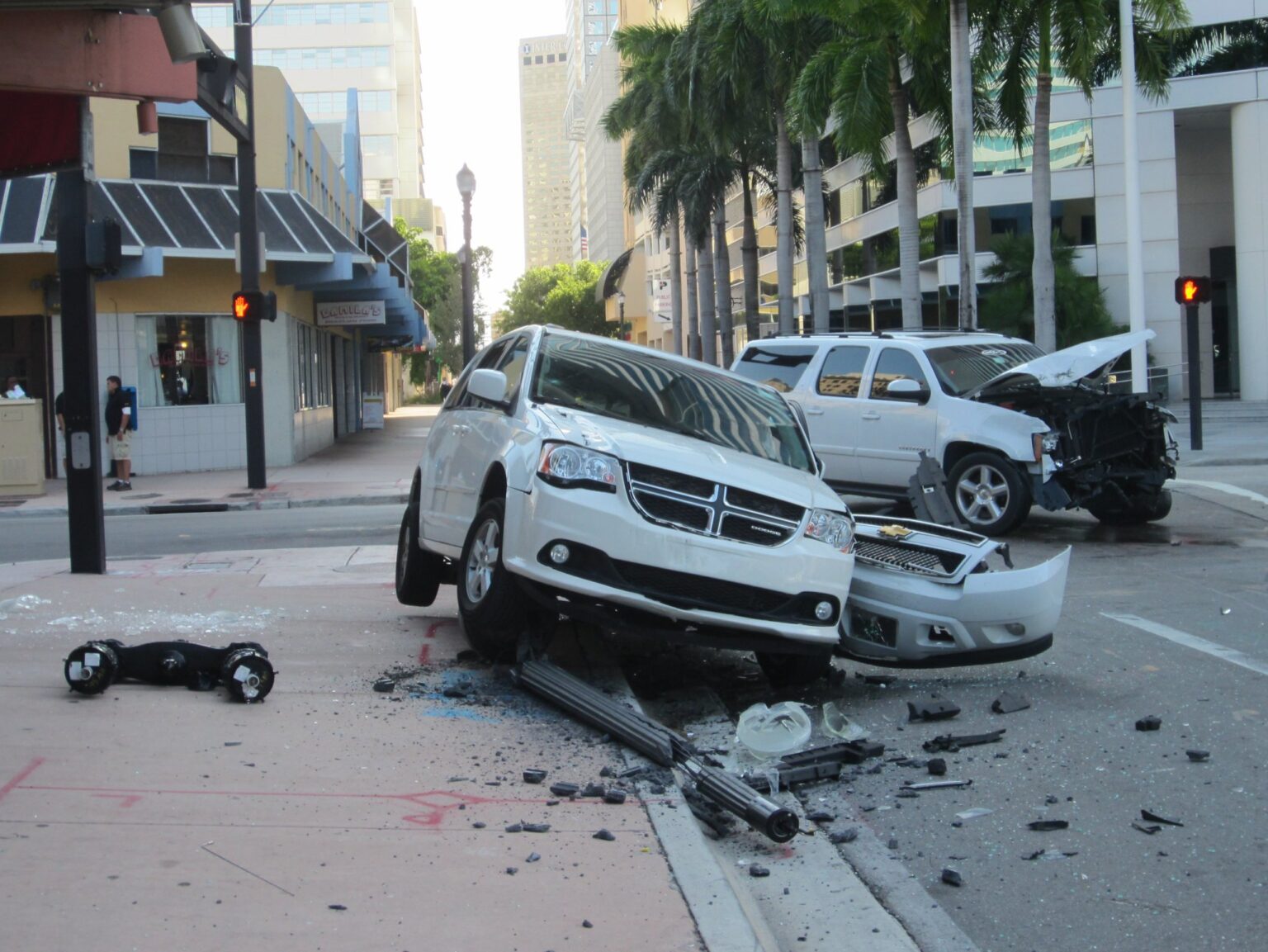
A crash can leave anyone unsure of what to do next. Miami’s traffic, busy intersections, and frequent tourist drivers make collisions especially disorienting. This guide gives you a clear, step-by-step plan so you know exactly what to do in the moments and hours after a Miami accident.
First Steps to Take at the Scene
Start with safety.
Move your vehicle out of traffic if you can do so safely, especially on high-risk roads like I-95, US-1, or the Dolphin Expressway.
Here’s what to do immediately:
- Check for injuries — yourself, passengers, and others involved.
- Call 911 if anyone is hurt or if vehicles cannot be moved.
- Stay calm and avoid assigning blame at the scene.
- Exchange basic information (name, contact, insurance).
- Request police response, especially for multi-vehicle crashes or serious injuries.
For more context on how claims are evaluated in these situations, review how insurers assess accident details in the firm’s insights on how insurance companies operate.
What to Document Before Leaving
Accidents move quickly, and details can disappear. Clear documentation helps protect your injury claim later.
Capture:
- Vehicle damage from multiple angles
- The crash scene, including skid marks or debris
- Traffic signs or signals nearby
- Weather and lighting conditions
- License plates
- Driver’s license and insurance card photos (only if the other driver agrees)
If there are injuries, document them early. Photos taken at the scene often become valuable when navigating the car accident claims process through the firm’s primary resource on how car accident claims are evaluated.
When and How to Report a Crash in Florida
Florida law requires reporting a crash to law enforcement when:
- someone is injured
- a vehicle must be towed
- a commercial vehicle is involved
- a driver is impaired
- property damage appears significant
In Miami, reports are typically handled by:
- Miami-Dade Police Department
- City of Miami Police Department
- Florida Highway Patrol (especially on highways)
You can obtain the official crash report later through local Miami resources. Your accident report provides a baseline for insurance review and future claim documentation. (Note: if you don’t know where to find yours, our team can help.)
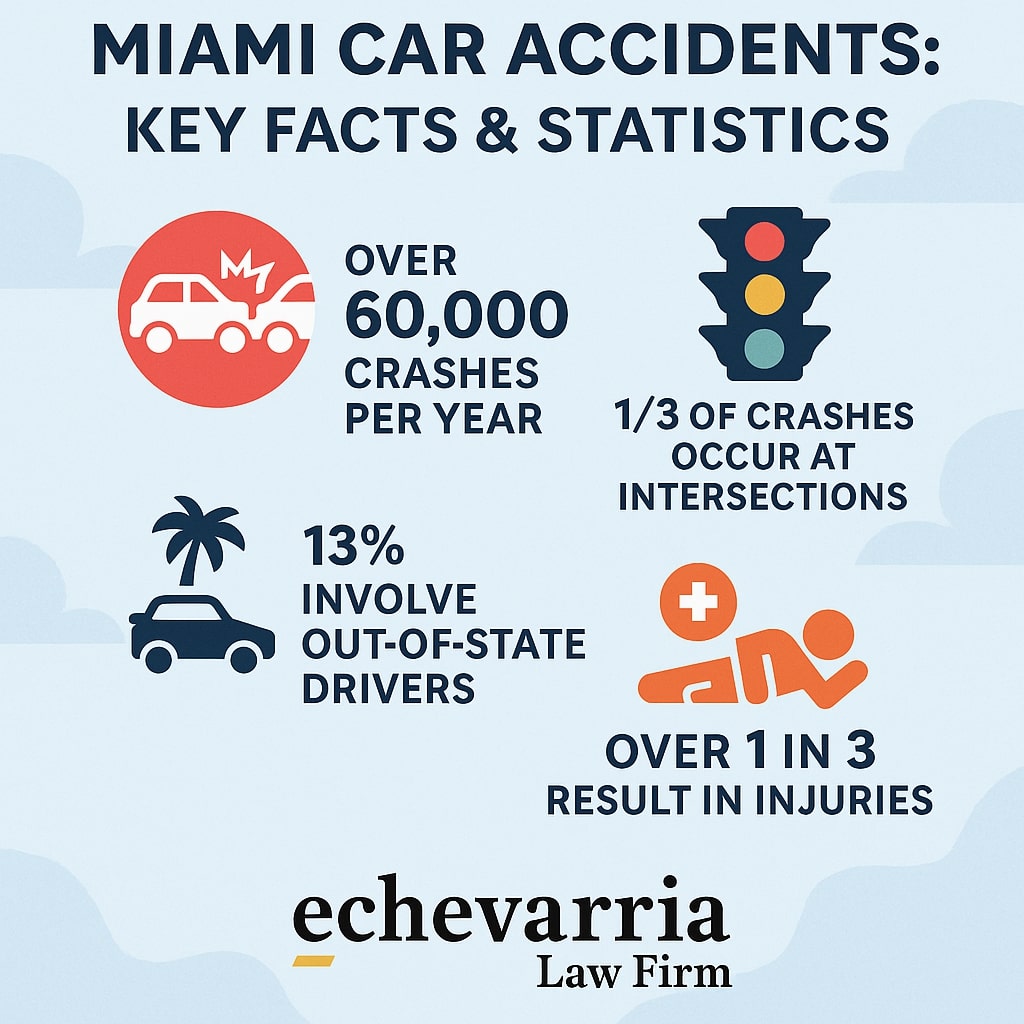
Protecting Your Rights in the First 48 Hours
The hours after a crash are often the most important.
Here’s what to prioritize:
- Get medical attention quickly — treatment gaps can complicate recovery and insurance evaluations.
- Notify your insurance company, but avoid detailed recorded statements before you understand your injuries.
- Keep all receipts and bills, including towing, medication, and rental car costs.
- Avoid social media posts about the crash or your injuries.
- Save all photos, messages, and timeline notes while they’re fresh.
Early steps matter because insurers often look for inconsistencies or delays when assessing a claim. Understanding insurance negotiation patterns helps you avoid common pitfalls.
When to Contact a Miami Car Accident Lawyer
You don’t need to wait until a claim goes wrong to seek guidance. Legal support is useful when:
- injuries are more than minor
- the other driver disputes fault
- an insurer is slow to respond
- you’re unsure how to document ongoing symptoms
- you receive a low initial offer
- multiple vehicles or rideshare drivers were involved
A lawyer helps manage communication with insurers, organizes supporting records, and preserves evidence.
If You’ve Been in a Miami Crash and Need Guidance, Echevarria Legal Can Help
If you’re unsure about the next step or dealing with insurance issues, Echevarria Legal can walk you through your options. You can ask questions, understand the process, and get clarity before making any decisions. Call us now at 305.707.3991 or contact us to request a free consultation.