


You walk into a store, an apartment building, or a friend’s property expecting it to be reasonably safe. When an injury happens instead—a fall, an assault, a dog bite—it often leaves people wondering whether it was just “bad luck” or something more.
A premises liability claim is the legal way injured people seek accountability when unsafe property conditions cause harm. Below is a clear, plain-English explanation of what that means, when it applies, and what steps matter most if you think you may have a claim.
What Is a Premises Liability Claim?
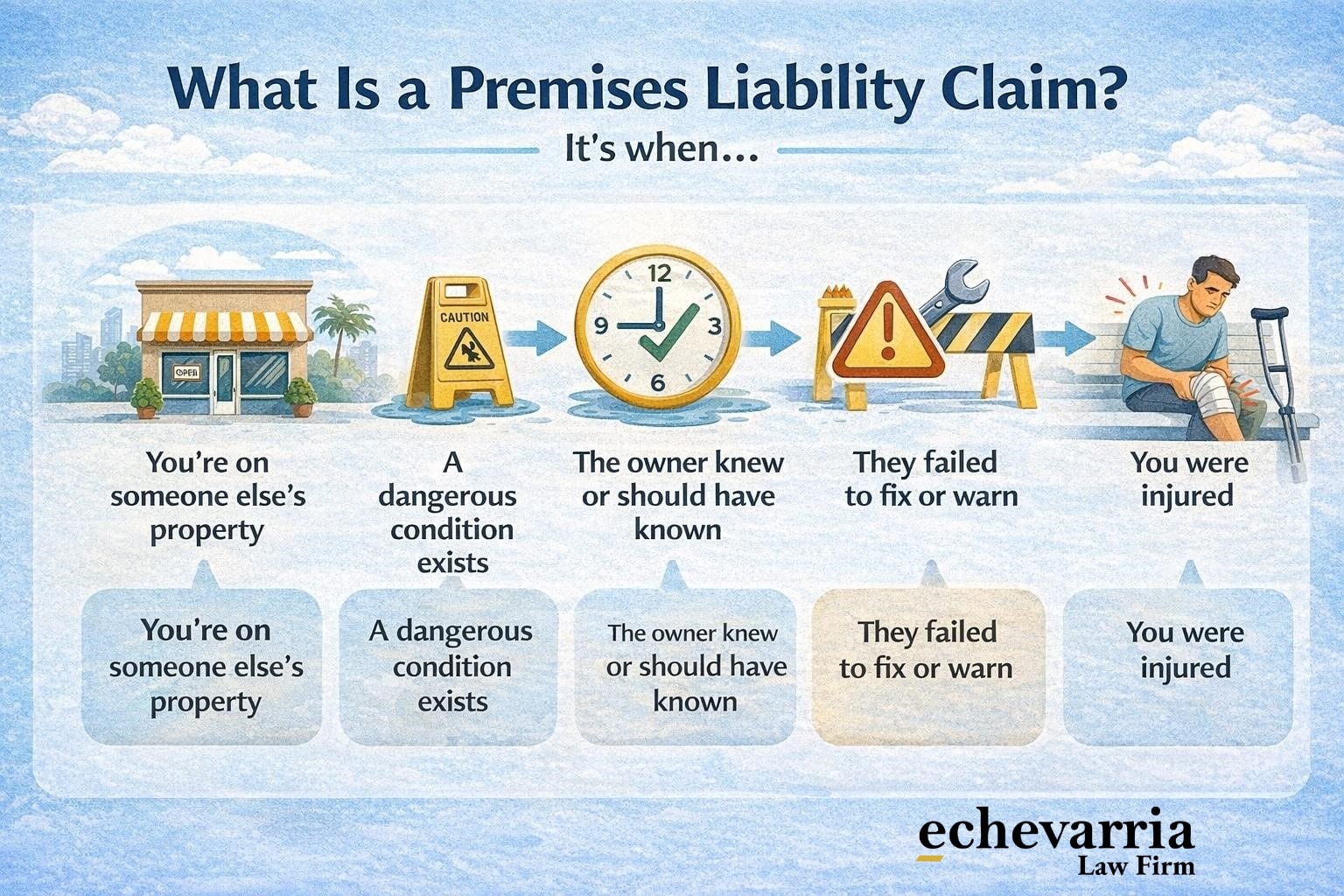
A premises liability claim arises when someone is injured because of a dangerous condition on another person’s property and the party responsible for the property failed to fix it, warn about it, or take reasonable steps to keep people safe.
In simple terms, it’s about responsibility. Property owners and those who control property have a duty to maintain reasonably safe conditions. When they don’t—and someone gets hurt—the law provides a path to seek compensation for medical bills, lost income, and other losses.
Who Can Be Held Responsible in a Premises Liability Case?
Responsibility doesn’t always fall on just one person. Depending on the situation, a premises liability claim may involve:
- Property owners
- Landlords
- Businesses and commercial operators
- Property management companies
- Homeowners’ associations
- Event organizers or entities controlling the space
The key question is who had control over the property and the ability to correct or warn about the hazard.
What Has to Be Proven in a Premises Liability Claim
Every premises liability case is different, but successful claims generally require showing a few core elements.
A duty of care
The responsible party owed a duty to keep the property reasonably safe for lawful visitors.
A dangerous condition
There was a hazardous condition—such as a spill, broken step, poor lighting, or lack of security.
Knowledge of the hazard
The property owner knew or should have known about the dangerous condition through reasonable inspections or prior complaints.
Failure to fix or warn
They did not repair the hazard or provide adequate warning in a reasonable amount of time.
Damages
The injury caused real harm, such as medical expenses, lost wages, or long-term limitations.
This is where premises liability cases often turn. Proving what the property owner knew—and when—can make or break a claim.
Types of Accidents That Commonly Lead to Premises Liability Claims
Premises liability covers far more than just one kind of accident. Common examples include:
Slip and fall accidents
Wet floors, uneven surfaces, loose carpeting, or poorly maintained walkways.
Negligent or inadequate security
Assaults or robberies in places where reasonable security measures were missing or ignored.
Dog bites and animal attacks
Injuries caused by animals when owners fail to restrain or control them properly.
Unsafe stairs, elevators, or railings
Broken handrails, malfunctioning elevators, or poorly lit stairwells.
Swimming pool and recreational hazards
Lack of fencing, signage, or supervision around pools or recreational areas.
Toxic, electrical, or structural hazards
Exposed wiring, mold, chemical exposure, or collapsing structures.
Many of these incidents overlap with slip and fall cases, but premises liability is the broader legal category that includes them.
Does It Matter Why You Were on the Property?
Yes—but not in the way many people think.
The law generally looks at why you were on the property, such as:
- A customer or invited guest
- A worker or delivery driver
- A social visitor
- A trespasser
Property owners owe the highest duty of care to customers and invited guests. Trespassers are usually owed less protection, though there are important exceptions—especially when dangerous conditions are hidden or children are involved.
These distinctions can be nuanced, which is why claims are rarely as simple as they seem at first glance.
Common Challenges in Premises Liability Claims
Premises liability cases are often contested. Some of the most common challenges include:
- Claims that the hazard was “open and obvious”
- Arguments that the property owner had no notice of the danger
- Allegations that the injured person was partly at fault
- Lack of photos, reports, or witness information
Because conditions can change quickly—spills get cleaned up, repairs get made—early documentation is critical.
What to Do If You Think You Have a Premises Liability Claim
If you’re injured on someone else’s property, a few early steps can protect both your health and your rights:
- Seek medical care right away
- Photograph the scene and the hazard if possible
- Report the incident to the property owner or manager
- Gather witness names and contact information
- Avoid giving recorded statements without understanding the implications
Premises liability claims fall under broader personal injury law, and early guidance can help prevent missteps that weaken otherwise valid claims.
Frequently Asked Questions About Premises Liability Claims
Is a slip and fall the same as a premises liability claim?
A slip and fall is one type of premises liability claim, but the category also includes security failures, animal attacks, and other unsafe conditions.
What counts as a dangerous condition?
Anything that creates an unreasonable risk of harm, such as hazards that aren’t repaired or clearly warned about.
Can I still file a claim if I was partly at fault?
Possibly. Shared fault doesn’t always bar recovery, but it can affect compensation.
What if the property owner says they didn’t know about the hazard?
Claims often focus on whether they should have known through reasonable inspections or maintenance.
Do I need a lawyer for a premises liability claim?
Not every case requires legal help, but claims involving serious injuries, disputed responsibility, or businesses and landlords often benefit from guidance.
Getting Clarity About Your Situation
Premises liability cases aren’t about blaming—they’re about accountability and safety. If an unsafe condition caused your injury, understanding your rights can help you make informed decisions about what comes next.
If you’d like to talk through your situation, you can call (305) 707-3991 or reach out through our contact page to request a confidential consultation. The goal is simple: clarity, protection, and a path forward that makes sense for you.