


Most people expect personal injury cases to move quickly. When weeks turn into months—or longer—it often comes as a surprise. The truth is that timelines vary widely because every case is shaped by different medical, legal, and insurance factors. Understanding these variables can give you realistic expectations and help you stay informed throughout the process.
Why Medical Treatment Sets the Pace
Your medical treatment is one of the biggest determinants of how long a personal injury case takes. Attorneys generally avoid settling a claim before treatment is complete because doing so can undervalue long-term injuries, future care, or lingering symptoms.
Key medical factors that affect the timeline include:
- How long it takes to reach maximum medical improvement
- Whether you need imaging, specialist care, or surgery
- Delayed-onset symptoms like concussions or soft-tissue injuries
- The need for long-term rehabilitation
When your injuries are still evolving, the full scope of your damages remains uncertain. That means settlement discussions often don’t begin until treatment stabilizes.
For additional context on vehicle-related injuries, you can review car crash injury timelines.
How Liability Disputes Slow Things Down
When fault is unclear—or multiple parties are involved—the case almost always moves slower. Insurers may:
- Dispute who caused the crash
- Argue that your actions contributed to the accident
- Request additional documentation
- Delay responses while investigating
Accidents involving commercial vehicles, trucking companies, or multiple drivers can be especially complex. Each additional party means more adjusters, more evidence to gather, and more negotiation rounds.
If liability is straightforward and well-documented, timelines typically shorten.
The Impact of Insurance Company Negotiation Patterns
Even with clear injuries and clear fault, insurance companies influence how long a case takes. Some move quickly once a demand is sent. Others use delay tactics, request unnecessary documentation, or issue low opening offers.
To understand how insurers tend to approach these negotiations, see our page on insurance negotiation patterns.
Negotiation delays often occur because:
- Adjusters have high caseloads
- Insurers wait to see whether the claimant will accept a low offer
- Claims are internally reviewed by multiple departments
- Additional medical records or expert statements are requested
Your attorney’s job is to push the process forward while protecting you from undervalued settlements.
When Litigation Extends the Timeline
If negotiations stall and litigation becomes necessary, the timeline extends. Filing a lawsuit begins a structured process that includes:
- Discovery exchanges
- Depositions
- Expert evaluations
- Motions and hearings
- Settlement attempts during mediation
Litigation does not guarantee a trial—most cases still resolve beforehand—but the process can add months or longer, depending on court schedules and the complexity of the evidence.
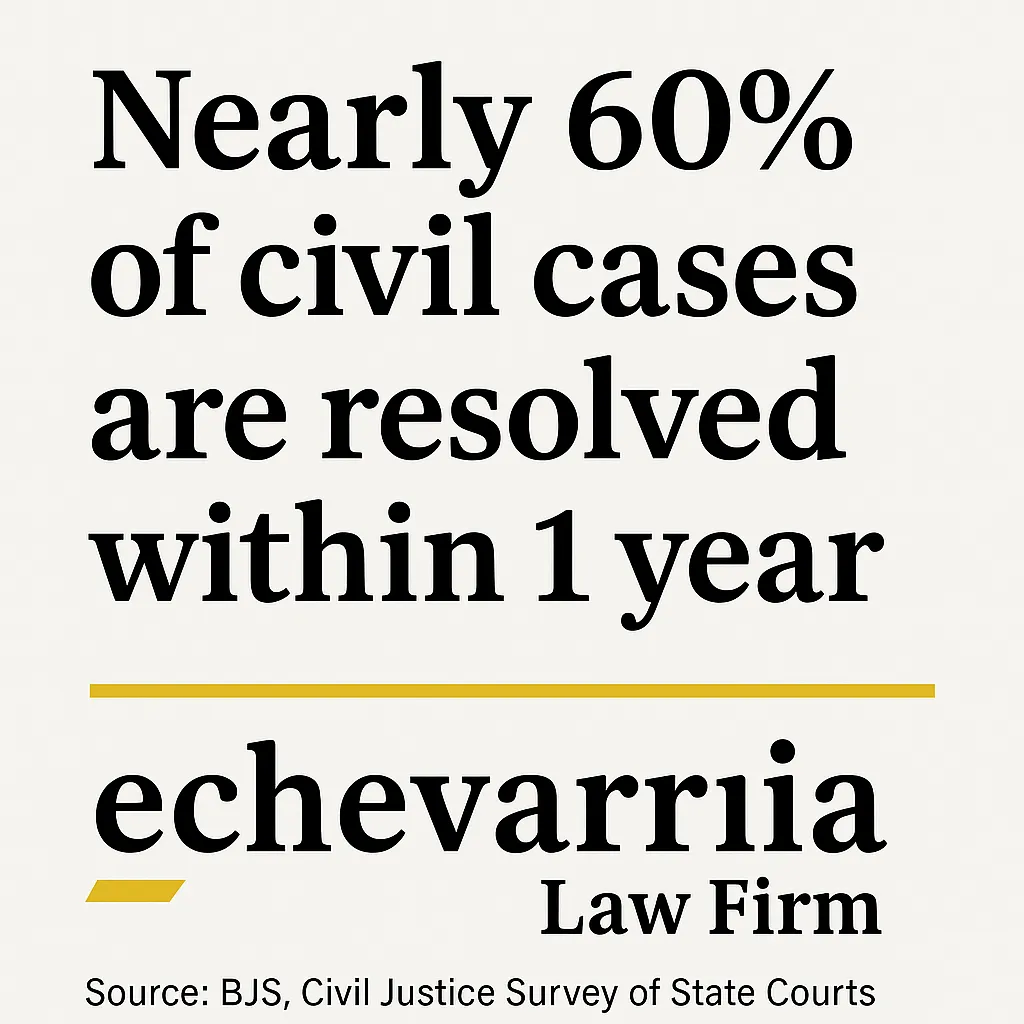
When Cases Resolve Faster
Some cases resolve quickly, especially when:
- Injuries are minor and treatment ends early
- Liability is clear
- Damages are well-documented
- The insurer is motivated to settle
- The claimant avoids gaps in treatment or conflicting statements
A fast resolution is ideal, but only if it genuinely reflects the full value of your injuries and future needs. A quick settlement isn’t always a fair settlement.
Ready to Understand Your Case Timeline?
If you’re trying to gauge how long your personal injury case will take, we can walk you through the specific factors that apply to your situation. For calm, clear guidance, reach out anytime through our contact page.