


Most people walking into a personal injury case have no idea what the process actually looks like. You may know you’re hurt, you may know the bills are piling up, but the timeline, the paperwork, and the back-and-forth with insurance companies feel like a black box. This guide breaks down what to expect in a personal injury case so you understand what is happening at each stage—and how each step affects your recovery and compensation.
If you’re still weighing your options, you can learn more about the firm’s services on our Personal Injury page.
What Happens in the First Days After an Injury
The early days after an injury set the foundation for the entire claim. Medical care, documentation, and initial communication with insurers all play a role in how your case develops.
An attorney typically begins by getting a clear picture of what happened: where the incident occurred, who was involved, whether a police report exists, and the extent of your initial medical findings. This period may feel chaotic for you, but for your legal team, it’s the moment to preserve evidence before it’s lost and to protect you from early missteps—particularly statements to insurance adjusters that can later be taken out of context.
Even simple choices, like how soon you see a doctor or whether you speak informally with an adjuster, can significantly influence the strength of your case later.
How Your Medical Treatment Shapes the Case
Medical treatment is more than recovery—it’s documentation. Insurance companies look closely at the timing, consistency, and type of care you receive. Gaps in treatment or failing to follow medical advice can give an insurer grounds to dispute whether you were truly injured or whether the accident actually caused the symptoms.
Your attorney also uses your medical records to understand the scope of your injuries, long-term prognosis, and future medical needs. Those details help determine the full value of your claim, including pain and suffering, lost wages, diminished earning capacity, and long-term care costs.
As your treatment progresses, your lawyer may consult with medical experts to translate your injuries into clear, persuasive evidence.
The Investigation and Evidence-Building Phase
Once your immediate medical needs are under control, the focus shifts to building the legal and factual backbone of the claim. This includes:
- Gathering photos, videos, or surveillance footage
- Interviewing witnesses
- Examining crash data or incident reports
- Reviewing medical records and billing
- Evaluating property damage
- Consulting expert witnesses when needed
This phase is detailed and sometimes lengthy, but it’s where cases are won. Strong evidence leaves less room for the insurer to undervalue or dispute your claim.
If you’d like to understand how insurers analyze evidence, you can read more about how insurers evaluate claims and the tactics they commonly use.
Negotiations With the Insurance Company
Once the evidence is organized and your medical treatment is well-documented, your attorney prepares a settlement demand outlining your injuries, financial losses, and how the defendant’s conduct caused harm.
Insurance companies rarely accept the first demand. Negotiations may involve:
- Challenging disputed facts
- Countering low offers
- Presenting additional medical support
- Reframing unclear points in the record
Your lawyer’s role here is twofold: to advocate for full and fair compensation, and to shield you from the pressure insurers often apply to settle early and cheaply.
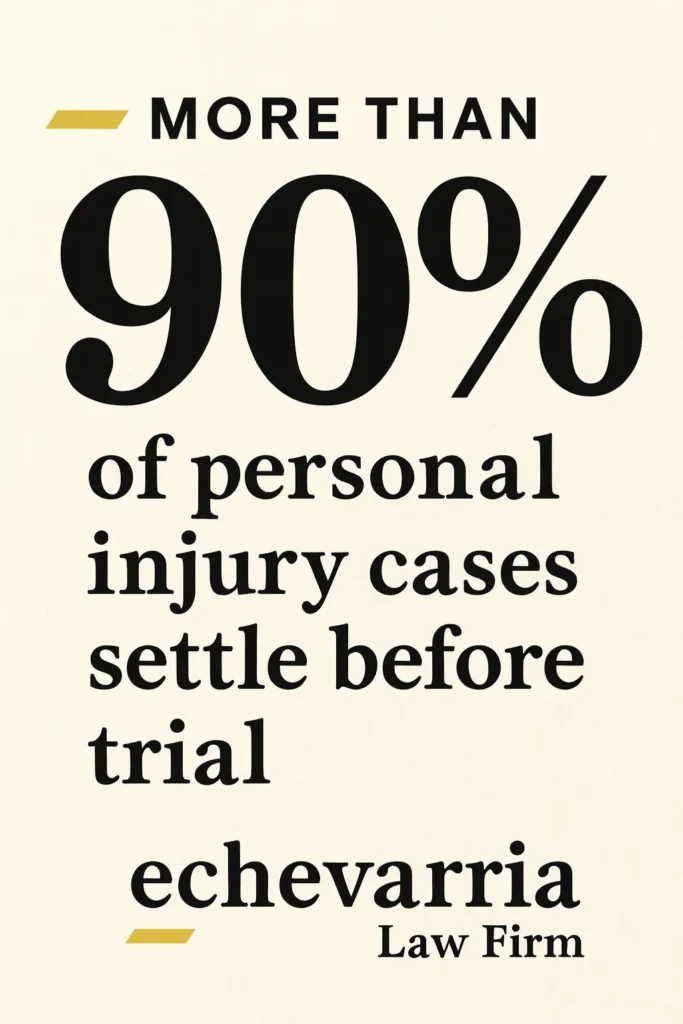
Negotiation can be the longest part of the case, but for many clients, it leads to a settlement without ever stepping into a courtroom.
When a Case Goes to Litigation (and What That Means)
If the insurance company refuses to make a reasonable offer, litigation may be the next step—but that does not mean a trial is guaranteed.
Litigation generally includes:
- Filing a formal complaint
- Discovery, where both sides exchange evidence
- Depositions of witnesses, medical providers, and experts
- Settlement conferences or mediation
Many cases settle during litigation once the insurer sees the full strength of the evidence and the lawyer’s preparedness.
If a case does proceed toward trial, your attorney prepares you at every stage so you understand what to expect—from pre-trial motions to testimony to how damages are ultimately presented to a jury.
How Clients Stay Informed Throughout the Process
A personal injury case involves many moving parts, and it’s normal to feel uncertain about what’s happening behind the scenes. A good attorney keeps communication steady by providing:
- Updates on treatment progress and medical reviews
- Summaries of negotiation developments
- Explanations of next steps and timelines
- Responses to your questions as they arise
You should never feel in the dark about your own case. Consistent communication helps you make informed decisions, reduces stress, and builds confidence that the legal strategy is aligned with your goals.
Ready for Clarity About Your Case?
If you’re unsure what comes next or want a clear plan for your situation, our team is here to walk you through the process step by step. Reach out for a straightforward, no-pressure conversation about your options and what to expect moving forward.